
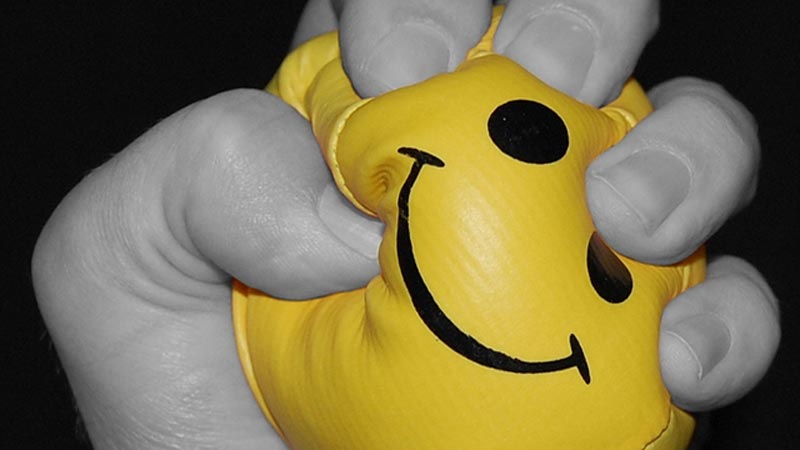
Stress is a part of most people’s lives. It is a reality that we all live with. This is why we need to have different mechanisms in place for coping with stress. Whether we are business executives or working in a hard physical job, the challenge for most of us is actually being cognizant of when we are stressed. It is such an habitual state for us to be in, that most of the time we don’t even know when we are in it!
We all have distinctive and personal indicators that we manifest when we are feeling stressed. What are yours?
Physical symptoms are the most obvious:
Do you bite your nails?
Do you perspire?
Do you clench your teeth?
Do you get a headache or feel your neck muscles getting tight?
Maybe you don’t have any obvious physical symptoms because your signs are more intangible.
Do you feel overwhelmed?
Do you get anxious?
Maybe you are irritable?
Maybe afraid?
Do you get curt with people because you are frustrated with what you perceive as their ineptness?
If you want to cope with your stress then you need to recognize what types of behavior you exhibit while in a “stressful state” and which situations trigger these behaviors.
Step 1. Contemplate on what your significant symptoms are when you are feeling stressed. List as many as possible.
Step 2. Go through each point and reflect on it. Write down in as much detail as possible the situations that usually trigger these stressors.
Step 3. Now think about whether you actually have the desire and discipline to do something about it. Even though we may be aware of the fact that we are stressed; we can get so wrapped up in the drama of it all that we just go with it.
In some ways it seems easier to let the “snowball of stress” continue to gain momentum instead of employing our force of will to stop it.
If you are honest with yourself, you may come to the conclusion that you are not committed to changing.
Being “stressed out” is a way of life for you. It is all you know, you are good at it!
What if you embark on this new path of “less stress” and you fail. Fear of failure and fear of change are natural human responses.
The real failure comes when we let fear stop us.